
scent memories and perfume
Written by GlenN Lauritz Andersson & Denis Vasilije, fragrance experts
Have you ever wondered what creates the relationship between you and a scent when you intuitively choose a perfume you like? Or why certain fragrances never quite feel like home? Let’s take a closer look at how perfumes affect our senses by creating associations with memories, and how you yourself can create lasting impressions in others by finding the right signature scent.

Summary
-
Scents have a strong connection to memory and can instantly evoke images, emotions and associations with people, places and experiences through the sense of smell’s direct link to the brain’s memory centres.
-
Perfumes with clear storytelling and character are designed to convey specific moods or environments, making fragrance choice a way of expressing identity and belonging.
-
Niche fragrances featuring unusual, nature-inspired or gourmand notes can create especially powerful scent memories and are often worn for personal enjoyment or as a conscious expression of individuality.
You may have experienced it yourself – you catch a scent and suddenly images appear in your mind, memories from childhood or past experiences resurface. You might even associate a particular fragrance with a specific person or place. This is where the sense of smell comes into play – our most powerful sense when it comes to associations, surpassing taste, sight and hearing. Quite simply, this is because scent is so intimately linked to our memory bank. If the olfactory memory does not find an existing connection, it attempts to create one instead, either positive or negative depending on our experiences. This is why we like and dislike different scents. A fragrance, or even a single note or ingredient, can therefore evoke completely different reactions in different people. That is also what makes perfume so fascinating and unpredictable.
It is often said that our first strong impression is how our mother smelled – our first intimate contact, which according to some researchers becomes deeply embedded as a powerful scent memory. From there, it continues throughout life. You might remember the scent of school corridors, how your grandmother’s hair and clothes smelled, your first love’s perfume, or perhaps the salty air from seaside beaches when you swam in the ocean as a child, or how your father smelled after splashing on aftershave in the bathroom. Sometimes you instinctively choose a favourite perfume to represent who you are, because it personifies something you want to be – something that feels safe and positive without you being consciously aware of why. “This is me.” It becomes your so-called signature scent.
fragrances with strong associative power
There are also perfumes with a very strong expression, created with the intention of evoking a specific feeling or transporting you to a particular place – a fragrance with a message and a story it wants to tell. This is why aromatherapy exists, as well as scenting environments such as retail spaces. With scent, you can create a mood. This also explains why we choose one specific perfume – or even a particular brand with its own identity – over another. We feel at home with and want to identify ourselves with different things, and different fragrances suit certain occasions and situations better than others.
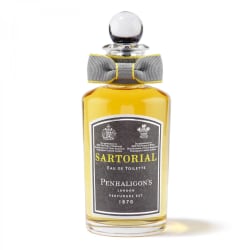
Let us take the now well-known fougère Sartorial from Penhaligon’s as an example, where the English house has attempted to recreate the scents found inside a tailor’s workshop. In this case, perfumer Bertrand Duchaufour was even inspired by a specific one – Norton & Son’s in London. Using complex notes of oakmoss, leather, spices, tonka bean and lavender (to name just a few), the fragrance deliberately paints a picture of metal needles, oils, sweet leather and tobacco smoke. The intention was even clarified by marking the label with a needle and thread. This is a masculine fragrance that suits either the outdoorsman or the elegant gentleman at an English pub, appreciated by those who enjoy smelling masculine and slightly old school.
the celebrity factor as identification
When discussing old style and classic fragrances, it is difficult to overlook brands such as the Italian house Acqua di Parma, whose original perfume Colonia has been worn by numerous male and female Hollywood celebrities since its launch in 1916. With its notes of citrus and powder, it is typical of many traditional colognes and is often said to evoke memories of sunny Riviera holidays of a bygone era. It is still beloved today by those who feel at home in fresh fragrances where the citrus note takes centre stage and delivers something classic and timeless.

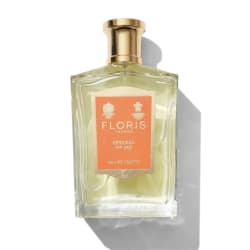
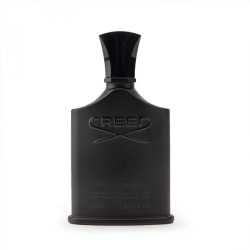
The celebrity factor itself should not be underestimated in how we identify with a perfume – or wish to create an identity through scent. The historic English house Floris has deliberately sought to convey such emotional impressions by highlighting the connection between its fragrances and historical figures, such as Winston Churchill with Special No. 127 or James Bond with No. 89 (incidentally one of Ian Fleming’s favourite perfumes). These are scents that appeal to men who want to feel part of history through a classic fragrance with old-world charm. The renowned niche brand Creed plays on similar celebrity associations, as its perfumes have been worn by countless famous figures over the years – including Robert Redford and Richard Gere with the classic Green Irish Tweed. In the women’s range, similar references are made with creations such as Millésime Fleurissimo, which was made for actress Grace Kelly’s wedding.

unusual and characterful scent notes – nature and gourmand
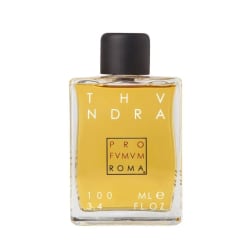
Typical of the niche market are more unconventional perfumes which, through their sometimes extreme and unusual notes and ingredients, tend to spark imagination and personal associations, occasionally bordering on the playful or controversial. The Italian family-run house Profumum Roma uses an exceptionally high concentration of pure oils in its fragrances, giving them a very natural feel – sometimes even resembling pure nature experiences. The robust Thundra, to choose one example from their extensive range, conveys the sensation of being in a forest in autumn, with decaying leaves and mushrooms. It is not for everyone, but it is an excellent example of how scent can transport the wearer to another physical place by triggering specific scent memories.
An ingredient that conveys strong emotions in different ways (depending on how it is used and where it is harvested) is oud – the oil derived from the exotic agarwood tree. Sometimes the note is used merely to reinforce a fragrance’s base, but in its purer and more prominent form it can create an overwhelming impression, often appealing to those who want to associate their personality with something more exotic and attention-grabbing. At times, the result can be so extreme and animalic that it evokes associations with manure or animal stables.
Examples of fragrances that truly evoke strong emotions and vivid memories include the Japanese house Di Ser and its Kyara, where the exclusive, now-extinct oud variety creates an image of damp wood reminiscent of a 1970s basement lounge or a summer cabin that has been locked up for months. It may sound unusual, but for many it is a sensation that brings them back to childhood and creates a sense of comfort through its ingrained atmosphere. Hasunoito from the same brand is even more of a love-or-hate fragrance, with its extreme animalic note of warm hay and stable, often associated with goats or barns. Needless to say, these are scents for those who enjoy challenging themselves and making a personal statement – hardly something for those who prefer a discreet presence.

Another powerful scent memory is linked to food – so-called gourmand fragrances – which often lean towards the sweeter side. There is plenty to explore here for those who enjoy such associations. Xerjoff’s Cruz del Sur II is perceived by many as a direct clone of the much-loved Solero ice cream, with its mango-coated exterior and vanilla note. You can almost feel the chill of the vanilla ice cream! Even more extreme is One Umbrella For Two from the French brand Floraïku (which, while inspired by Japanese culture, also aims to convey a specific mood through its perfume names and accompanying haiku poems). Here, exclusive Japanese green tea used as the main ingredient, combined with sweetness from blackcurrant, creates an unforgettable impression of freshly baked cream cake. These are fragrances that are not always easy to wear, but are often used for personal enjoyment thanks to the positive memories they recreate. Alternatively, they can be exciting party scents that signal confidence, independence and sensuality.

In other words – do not be afraid to give in to your imagination and the scent memories that emerge when you try to find that signature fragrance. What associations are awakened when you test a scent? Who do you want to be – and in what context? Open your senses, and who knows – perhaps the right perfume will open a door to a part of your personality you never knew existed.