Autumn Fragrance Notes
Written by Glenn Lauritz Andersson & Denis Vasilije, fragrance experts
Updated 2026-08-19
Autumn is here, and fragrance enthusiasts often find themselves drawn to warmer, darker perfumes that complement the season. Let's take a closer look at some fragrance notes with these qualities – notes that make the autumn darkness a little easier to embrace.

Summary
-
Autumn's fragrance landscape is dominated by warm, rich and darker notes such as woods, spices and tobacco, creating a sense of warmth and depth during the cooler months of the year.
-
Leather combined with aromas such as lavender, honey or fruit adds complexity, while spices like saffron, cinnamon and pepper bring character and balance to autumn fragrances.
-
Creamy elements such as amber and gourmand notes like vanilla, rum or whisky become more appealing as temperatures fall, adding a sensual and warming dimension to the base of autumn fragrances.
During the darker, colder season, we are naturally drawn to fragrance notes that convey warmth and a little more weight, complementing the atmosphere of autumn. Let's divide them into a few categories:
Woody notes
Wood, either as an expression in its own right or in combination with tobacco, amber, incense and spices, can be considered the foundation of what works best during autumn. This can range from classic woody notes such as cedarwood and sandalwood to more distinctive notes like patchouli or oud (agarwood).
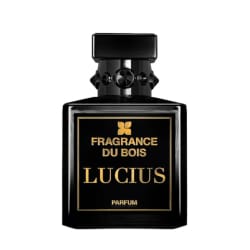
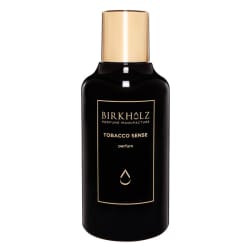
Woody elements create a sense of earthiness, calm and closeness to rugged nature, but they can also bring a dressed-up elegance to an evening occasion or business meeting. Combined with amber, wood takes on a warm creaminess, while tobacco often contributes a sophisticated and masculine DNA. Smoky woods, for example with facets of cypriol, cypress or olibanum, tend to steer a fragrance in a more oriental direction. This can be balanced or refreshed with citrus, as in Lucius from Fragrance du Bois or Birkholz Tobacco Sense.


Leather
Leather is perhaps one of the fragrance notes that has grown most significantly in popularity in recent years, even though it may not appeal to everyone. Leather can feel invigorating and confidence-boosting; it tends to make a statement and requires the right personality to carry it.
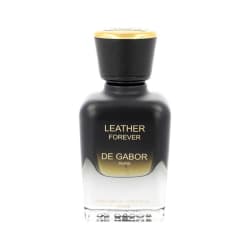
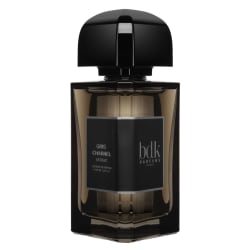
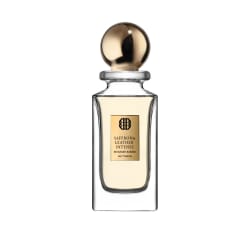
The note can evoke everything from freshly polished, oiled shoes and leather jackets to warm animal hides and more animalic references. Depending on the ingredients it is paired with, leather can take on many different expressions. Combined with lavender, for example, leather can recreate the atmosphere of a traditional glove maker's workshop or tailor's shop. Rose and fruit also pair beautifully with leather, adding different kinds of sweetness that balance the dryness otherwise characteristic of the note.
The smoky leather style that dominated for many years, seen in some Arabian fragrances and in Tom Ford's Ombre Leather, which helped put this style firmly on the map, still has plenty of fans. In recent years, however, the trend has increasingly shifted towards more elegant and realistic interpretations of leather and suede, creating a sense of refined luxury reminiscent of expensive leather jackets or car seats. Rawness and power have increasingly made way for a more cultivated and sophisticated aesthetic.


Spices
Spices such as saffron, cinnamon, pepper and cardamom are perfect for autumn and throughout the winter season. Few things feel more warming during the dark, cold months of the year, and different spices create very different associations. In the Nordic countries, saffron is often associated with Christmas baking, but it is fundamentally an exotic spice that has been cultivated in warmer regions for thousands of years – and a precious one at that.
Cinnamon and cardamom are often found in exotic fragrances alongside saffron, leather or oud, where they enhance the impression of Indian or Arabian essences, as in Penhaligon's collection of oriental Eau de Parfums. Cinnamon can also add sweetness and softness – sometimes even giving a composition a gourmand character.



Green and earthy notes
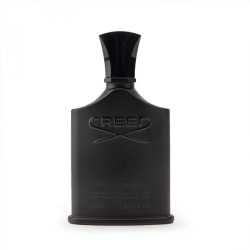
Autumn is also the time when green fragrances, evoking the forest and the earth, come to the fore. These evoke associations with rainy weather, mist and the raw chill of autumn, with scents of pine, damp leaves and earth, sometimes combined with classic fresh and crisp notes. These are autumnal notes that work well at work or in everyday life and are perhaps more appreciated by a male audience, as they tend to lean towards the masculine.
Amber – creamy warmth in the darkness
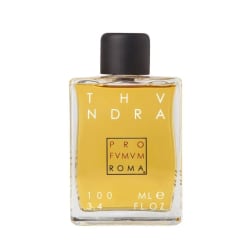
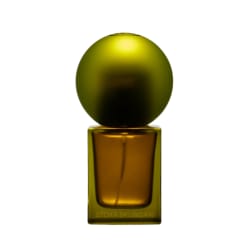
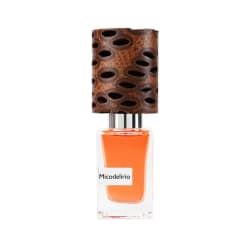
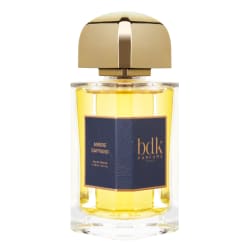
Creamy elements with a touch of sweetness also become more appealing as we move closer to the darker season. Amber is particularly well suited to complementing dark base notes, rounding them out and creating an impression of warmth. It lends a slightly "golden" quality to a dark fragrance and can soften an overly smoky or dry composition, often resulting in something that feels luxurious and slightly "boozy". An "amber fragrance" does not necessarily have to contain an amber accord itself – amber is a constructed note that can include ingredients such as vanilla – as combinations of tonka, rum and other notes can create much the same impression.


Gourmand
If you want to take the sweetness even further, gourmand notes such as vanilla, rum, whisky, almond, dark chocolate and coffee work very well during the autumn and winter months. They can often feel too heavy and rich in the summer, but in autumn and winter we often seek something rich and slightly decadent to comfort us, and this can also impart a sense of sensuality and pleasure.
Gourmander is available in more subtle variations, where the ‘edible’ elements are usually only hinted at; these are often best suited to autumn, whilst the heavier, creative dessert compositions inspired by cakes and pastries really come into their own in winter or on special occasions.