oud - the liquid gold
Written by Glenn Lauritz Andersson & Denis Vasilije, fragrance experts
Updated 2026-05-27
Oud (or agarwood) is one of the world’s most exclusive perfume ingredients, with an aromatic and rich scent profile and a market value comparable to gold. But why is it so expensive? Are there different types of oud and what do they smell like? Join us on a journey into the mysterious world of oud.
Summary
-
The article explores the history and origins of oud and explains why this exclusive raw material is often referred to as “liquid gold”.
-
It explains how oud is extracted from agarwood and how its scent profile can range from soft, woody and elegant to dark, smoky and animalic.
-
The focus lies on oud’s cultural significance, the craftsmanship behind the raw material and its unique role within luxury perfumery.
Oud, agarwood, eaglewood, aloewood – many names for the same treasured material. Oud is a dark heartwood extracted from the tree Aquilaria agallocha, which exists in 15 different species spread across Southeast Asia, Indochina, India and Bangladesh. Aquilaria trees can grow up to 40 metres tall, and their wood is naturally pale in colour. When the tree becomes infected by a specific type of mould fungus called Phialophora parasitica, it reacts by producing a dark and highly aromatic resinous oil. The more fungus and resin that have attacked the bark, roots or branches of the tree, the darker the wood becomes and the more – and better – oil can be distilled, either by soaking the wood in water or extracting the essence through steam distillation. After distillation, the wood is dried and used for other purposes, and sometimes it is distilled again one or several additional times.

History and use
Oud is already mentioned in the Bible as aloe (not to be confused with the medicinal plant aloe vera), and it is known to have been used as medicine in the Mediterranean region and the Middle East, while also being a popular fragrance material among Egyptians, Jews and other nearby cultures. The Romans – who acquired it through Arabian trade routes – brought the wood with them to Europe. Napoleon, who was otherwise known for favouring citrus-driven colognes, is said to have loved the scent.
For thousands of years, agarwood has been used by Muslims, Hindus and Buddhists as incense during meditation and has also served as an important ingredient in traditional medicine across Asia, India and Europe. It has been used for everything from anaesthetics and antibacterial treatments to nausea, diarrhoea, dysentery, tumours and respiratory issues. Not bad for a piece of wood, right?
However, it is as a fragrance oil and perfume essence that oud has become truly mythical in modern times, largely due to countries such as Saudi Arabia and the United Arab Emirates being among the world’s leading importers of the raw material.
A luxurious and exclusive raw material
Oud is considered the world’s most expensive perfume oil on the raw material market and is therefore often referred to as “The Liquid Gold”. The most expensive varieties can reach astonishing market prices of up to one million SEK per litre. Global market prices otherwise vary greatly, from around £30,000 per litre and upwards – a common retail importer price is approximately 500 SEK per ml.
Why such staggering prices? One reason is that the extraction of the oil is extremely costly and labour-intensive. Only one in ten trees becomes infected by the fungus, and large quantities of resin are required to produce even a small amount of oil. The agarwood tree has also continuously existed on the brink of extinction due to logging and illegal trade – which is why it has been protected under the international CITES convention, with regulations and export licence requirements designed to prevent trade in endangered species and ensure that the raw material comes from ethically approved sources.
The growing interest in oud within perfumery has also caused demand to explode on the European market, leading to extensive cultivation projects mainly across Asia as well as the development of synthetic oud accords used in the bases of more affordable perfumes – ingredients that nevertheless cannot compete with the real material in terms of quality, complexity and warmth.

Different types of oud and scent characteristics
If you ask what oud (Arabic: oudh) actually smells like, you are likely to receive a complicated and highly elaborate answer. Oud can take on many forms and reveal countless facets depending on the age of the tree, how long the oud has been aged, where it comes from, how the oil was extracted and how many times the extraction process was repeated.
An oud fragrance does not necessarily have to be bombastic and overwhelming – it can be discreet while still carrying that deep, musky foundation so characteristic of this special material. Fragrances of this type are often an excellent introduction to the world of oud. They tend to be woody-spicy, floral and slightly dry and sophisticated in style – often with a touch of freshness when blended with the right notes. In short, these versions of oud can feel “well-dressed” or business-like in character, which also makes them relatively easy to wear.
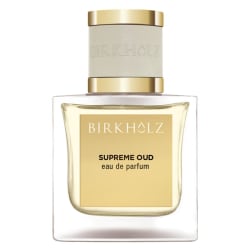
Here we are mainly talking about synthetic oud or a brand’s “interpretation” of oud, such as Byredo’s “Oud Immortel”, Birkholz “Supreme Oud” and Acqua di Parma’s “Oud”, although D.S & Durga’s “Notorious Oud” actually contains Indonesian oud as well.