
price differences in perfume – why?
Written by Glenn Lauritz Andersson & Denis Vasilije, fragrance experts
Why do some perfumes cost more than others, and what factors determine pricing across different brands? It’s a complex subject, yet something many people often wonder about. Let’s look at some possible explanations behind the phenomenon.

Summary
-
Price differences in perfume primarily depend on brand positioning, production volume, and target audience.
-
Niche perfumes often use more exclusive raw materials, smaller production runs, and stronger storytelling, which increases the price.
-
Ingredient quality, concentration, and bottle design also influence the final price.
Have you ever been puzzled by why you have to pay thousands for one perfume while others on store shelves cost only a few hundred? A common argument is that the more expensive a fragrance is, the higher the quality and concentration – but that is naturally not the whole truth. In fact, it’s more complicated than that.
Higher prices are most often found among so-called niche brands – meaning producers who (unlike so-called designer brands) focus exclusively on creating perfume and nothing else. Here, factors such as availability come into play. Niche producers generally target a narrower audience with more personal taste, which means smaller production volumes and therefore higher costs.
Designer or larger commercial brands deliver large quantities to a broader customer base who may not be willing to spend an entire paycheck on a fragrance. Therefore, they must maintain a certain price level, while large-scale production helps reduce overall costs.
Niche producers, on the other hand, do not generate income from clothing, accessories, or other product categories. All resources are invested in the development and production of the perfume itself. There are no margins from other product sales to rely on.
Another factor is exclusivity. Here, price is used to signal a luxurious profile – that you are purchasing something extravagant and perhaps even unconventional that sets you apart. Niche brands can afford a more experimental approach, using notes and complex compositions that appeal to customers seeking something beyond the mainstream. At the same time, they may pursue classic elegance that conveys a sense of quality.
Some emphasize heritage and tradition, such as Creed, Penhaligon's, Floris, and Eight & Bob, while others focus on storytelling, like Floraïku and LENGLIN. The perfume or brand is connected to a narrative intended to evoke something personal – something meant specifically for you.
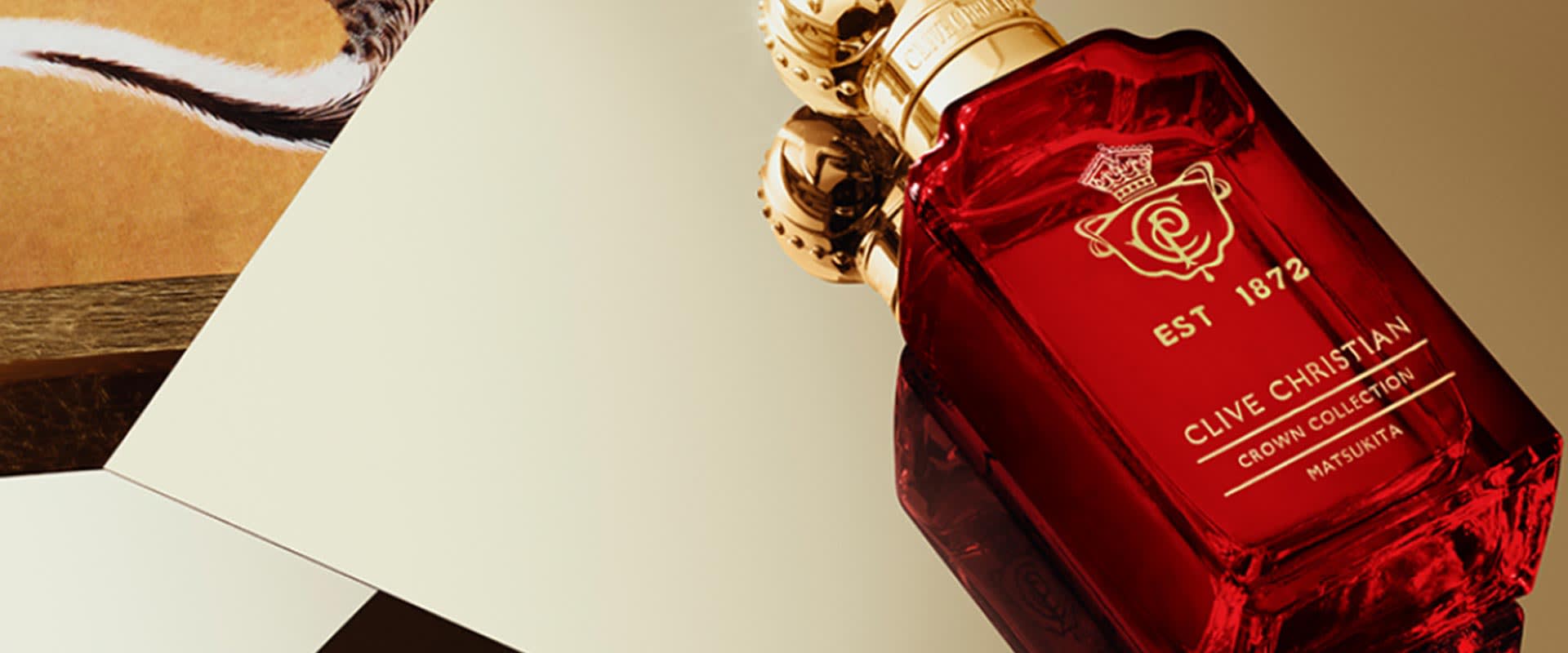
When exclusivity is combined with costly raw materials and limited availability, prices can reach extreme levels. Oud – the oil extracted from the endangered agarwood tree in Asia – is valued in line with the price of gold and is considered extremely precious in its purest form. The more and purer the oud oil in the bottle, the higher the price. One of the more extreme examples is likely Japanese Di Ser’s Kyara, whose content of now-extinct kyara oud significantly increases the price, as it can no longer be replanted – the remaining oil represents the final batches.

Contrary to popular belief, more expensive perfumes do not necessarily perform better than cheaper ones. While certain notes in the form of pure extracts (more common among niche brands) may present themselves in ways that synthetic materials cannot replicate, and perfumes with high concentrations of oils such as those from Profumum Roma and Nasomatto can become true fragrance powerhouses, longevity and performance often depend just as much on your individual skin chemistry.
These are some explanations behind price differences – though the above hardly claims to cover the entire complexity of the subject. Many of these factors interact, and there may be others not mentioned here. To make things even more complicated, designer brands have increasingly launched niche-style collections at higher price points, targeting a more selective and discerning segment of customers.
One trend, however, is clear – interest in more personal fragrances rather than mass production has increased. With a niche perfume, you gain a more unique and complex scent experience, tailored to your personal taste and skin chemistry.