what is niche perfume?
Written by Glenn Lauritz Andersson & Denis Vasilije, fragrance experts
You may have come across the term niche. It appears now and then in the world of fragrance, but it’s rarely clearly defined what really qualifies as niche and what does not. So what is the difference between niche perfumes and the fragrances you find on the regular shelves at tax free shops or department stores?
Summary
-
Niche perfumes are created for expression and originality – not for the mass market.
-
They often use pure oils and unusual notes that make the scent more unique on the skin.
-
A strong choice if you want to stand out — but it requires testing on your skin, as the fragrance develops differently on each person.
If we simplify the reasoning, we could say “narrow” in contrast to “commercial.” In the fashion world, for example, people distinguish between clothing made for the masses and so-called “haute couture” — garments designed to spark experimental creativity for a limited clientele with specific taste. You simply won’t find them in just any shop — and not everyone can afford them. Another comparison could be “niche” music created for a selective, demanding audience versus the commercial hits on the charts.
The same idea applies to perfumes in the “niche” segment. Unusual, personal and exclusive — sometimes even experimental. The goal is to stand apart from mainstream fragrance and appeal to those who do not want to follow the crowd. And there are several ways to achieve that.
Unusual scents
First and foremost, niche perfumes can be described as scents that may not appeal to the general public. If you are used to commercial offerings in tax free shops or so-called “designer” fragrances (perfumes launched by fashion houses, etc.), niche may require some adjustment. Niche brands often experiment with notes that we don’t typically associate with traditional perfumery — or even with pleasant smells — such as leather, tar, animalic tones, tobacco and more. At the same time, these notes may be paired with mild citrus, floral or woody elements in combinations you may never have experienced before.
Niche perfumes can also stand out dramatically by focusing on a single note. Those accustomed to commercial fragrances may be shocked at first encounter with scents smelling intensely of leather, vanilla or smoke. But once you learn to appreciate their character, there is usually no turning back. Everything else ends up feeling terribly dull in comparison.
Find your personality
The big advantage with niche is how easily you can find a perfume that becomes unique to you — ideal if you want a more personal fragrance style — whereas commercial perfumes often behave similarly on most people. Niche perfumes frequently contain pure fragrance oils, sometimes extracts of up to 30–40 percent, such as those from Nasomatto and Profumum Roma, which means they behave very differently on the skin compared to mainstream perfumes that may contain more synthetic ingredients or lower concentrations.

In other words, perfumes in this category rarely smell the same on everyone, as our skin picks up and expresses notes differently. This can be a benefit — or a drawback. The result is often a fragrance completely unique to you, perfect if you don’t want to smell like everyone else. On the other hand, you should always test such scents on your skin first, since you can never be certain how they will evolve — nor rely entirely on others’ experiences. But that is also what makes niche perfumes so exciting and such a unique experience.
Availability, exclusivity and price
Another thing that distinguishes niche from the broader segment is availability. These perfumes are not sold everywhere, and production is often more limited. Naturally, this increases the feeling of exclusivity — especially for those who don’t want to smell like everyone else.
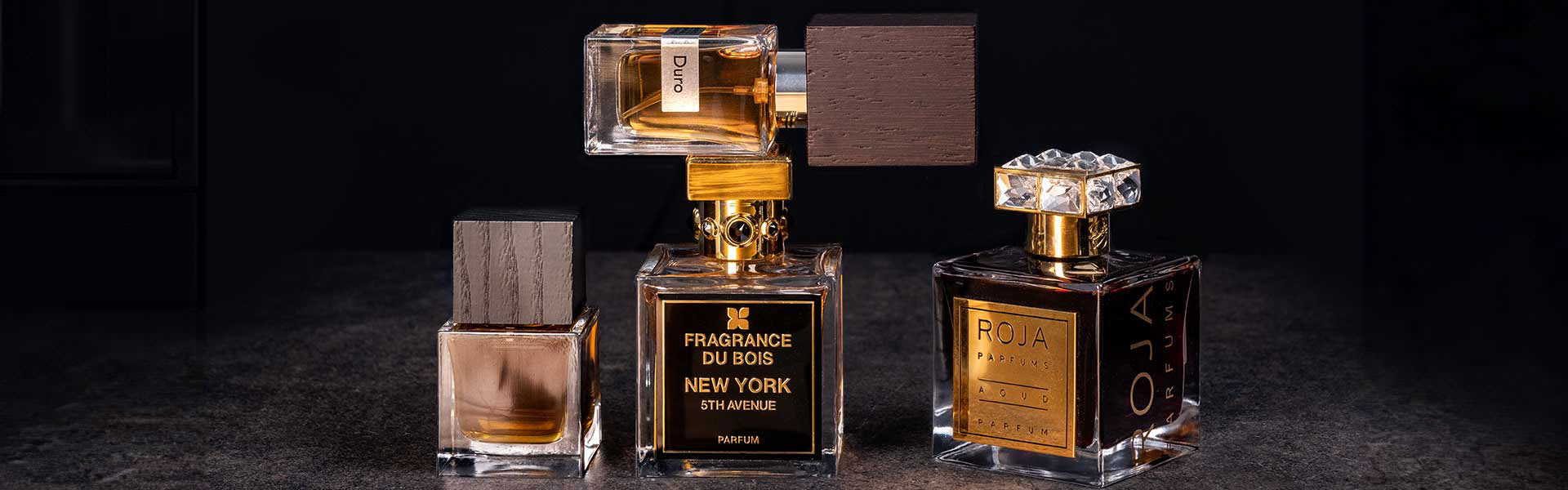
But exclusivity is also reflected in the price. Higher-quality raw materials (such as oud, ambergris and more), along with limited production, result in higher prices. Additionally, the bottles are often more luxurious and an important part of the perfume’s identity — some brands, like Nasomatto, put as much creativity and symbolism into the cap as into the scent itself.
"Storytelling"
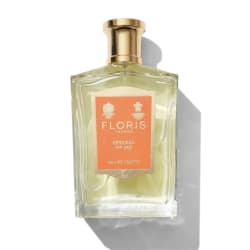
Another aspect that makes niche perfumes special is that they often tell a story — what the industry calls “storytelling.” By basing a fragrance on a character, narrative or fantasy, additional layers are created and the perfume gains a distinct identity. Penhaligon’s Portraits collection is built around fictional figures, each with its own backstory. If you enjoy historical references, you might be drawn to Eight & Bob and its connection to the Kennedy family, or the fact that Winston Churchill wore Floris Special No. 127. You become part of the story and can make it your own. Floraiku has built its world around exclusivity, beauty and artistic craftsmanship inspired by Japanese poetry.
Special notes in niche perfumes can also spark imagination through associations. Try Widian’s Aswan and you are transported to a magical place reminiscent of ancient Aswan — its markets still attracting visitors from around the world searching for vivid experiences and new scent memories.